forward from popi about Popi’s UnSpun News 9May26 Everyone says the ceasefire is holding, yet tankers keep getting hit and oil keeps jumping, which tells you what really matters.
Good Morning. It’s Saturday, May 9, 2026 | 1045 PDT | in Livermore, California
Here is what you need to know.
Popi’s UnSpun News 9May26
TOP STORY: U.S. STRIKES ON IRANIAN SHIPS TEST CEASEFIRE IN STRAIT OF HORMUZ
U.S. Central Command says American forces have carried out new “self‑defense” strikes on Iranian ships and military sites after missiles, drones, and fast boats targeted three U.S. destroyers transiting the Strait of Hormuz toward the Gulf of Oman. The Pentagon says an F/A‑18 Super Hornet used precision munitions against two ships in the Gulf of Oman, which it describes as the gateway to the strait, to prevent them from continuing on to Iran in violation of an ongoing naval blockade around Iranian ports.firstpost+1youtube
Iran’s military accuses Washington of breaking the month‑old ceasefire by hitting an Iranian oil tanker and another vessel and by striking what it describes as civilian areas on Qeshm Island and nearby coastal cities, claims the U.S. disputes. Tehran says it responded by attacking U.S. military vessels east of the strait and south of the port of Chabahar, and officials there warn that continued strikes on shipping and coastal targets could cause the truce to collapse. President Trump continues to insist that the ceasefire is “still in effect” and has publicly downplayed recent Iranian attacks as a “trifle,” even as his administration waits for Tehran’s formal answer to a U.S. proposal aimed at reopening the waterway and scaling back elements of Iran’s nuclear program.nytimes+4youtube

Regional governments are already feeling the spillover: the United Arab Emirates reports intercepting missiles and drones connected to the fighting, and China has protested after one of its crewed tankers was hit near the strait during earlier exchanges. Analysts say that as long as Iran maintains missiles, drones, and fast boats near the chokepoint and the U.S. keeps destroyers, carriers, and aircraft in the area, even limited flares in this narrow lane will carry outsized risk for global shipping and energy prices.timesofisrael+2youtube+1
IRAN CONFLICT EXPLAINER: BATTLESPACE AND BARRELS
The current clash in the Strait of Hormuz is part of a wider 2026 war that began when U.S. and Israeli forces launched large‑scale strikes against Iranian missile, air defense, and command targets in late February, prompting Iran to close the strait and threaten shipping. A ceasefire that took effect on April 8 reduced the tempo of operations but did not end them, and both sides have continued to test the lines with limited attacks at sea and in the air, each claiming the other is breaking the agreement.britannica+3
Militarily, the U.S. has kept destroyers, carrier strike group assets, and patrol aircraft in and around the strait to escort commercial ships and to pressure Iran to reopen the waterway. Central Command reports that Iran has used a mix of cruise missiles, drones, and small fast boats to target or harass U.S. warships and merchant vessels, while American forces have answered with what they call calibrated “self‑defense” strikes on launch sites, small craft, and now tankers that commanders say are trying to evade the blockade. Iran’s senior military command says its response has included attacks on U.S. vessels east of Hormuz and south of Chabahar, along with missile fire toward the United Arab Emirates, which hosts U.S. forces and plays a major role in Gulf shipping. Both militaries say they do not seek wider escalation, but the pattern of action and counter‑action means a single misjudgment could turn a limited clash into a larger fight.aljazeerayoutube+1timesofisrael
Politically, Washington is tying its military posture directly to a proposed framework under which Iran would reopen the strait, accept limits on parts of its nuclear program, and see some sanctions relief in return. U.S. Secretary of State Marco Rubio says the administration expects a “serious offer” from Tehran on this package, while Iranian officials accuse Washington of using “reckless” strikes to gain leverage at the table even as it talks about peace. President Trump’s public language has tried to play down the seriousness of recent Iranian moves, describing them as trifling, but his aides continue to warn that if Iran walks away from the talks entirely, much heavier strikes on Iranian assets would follow.apnews+3
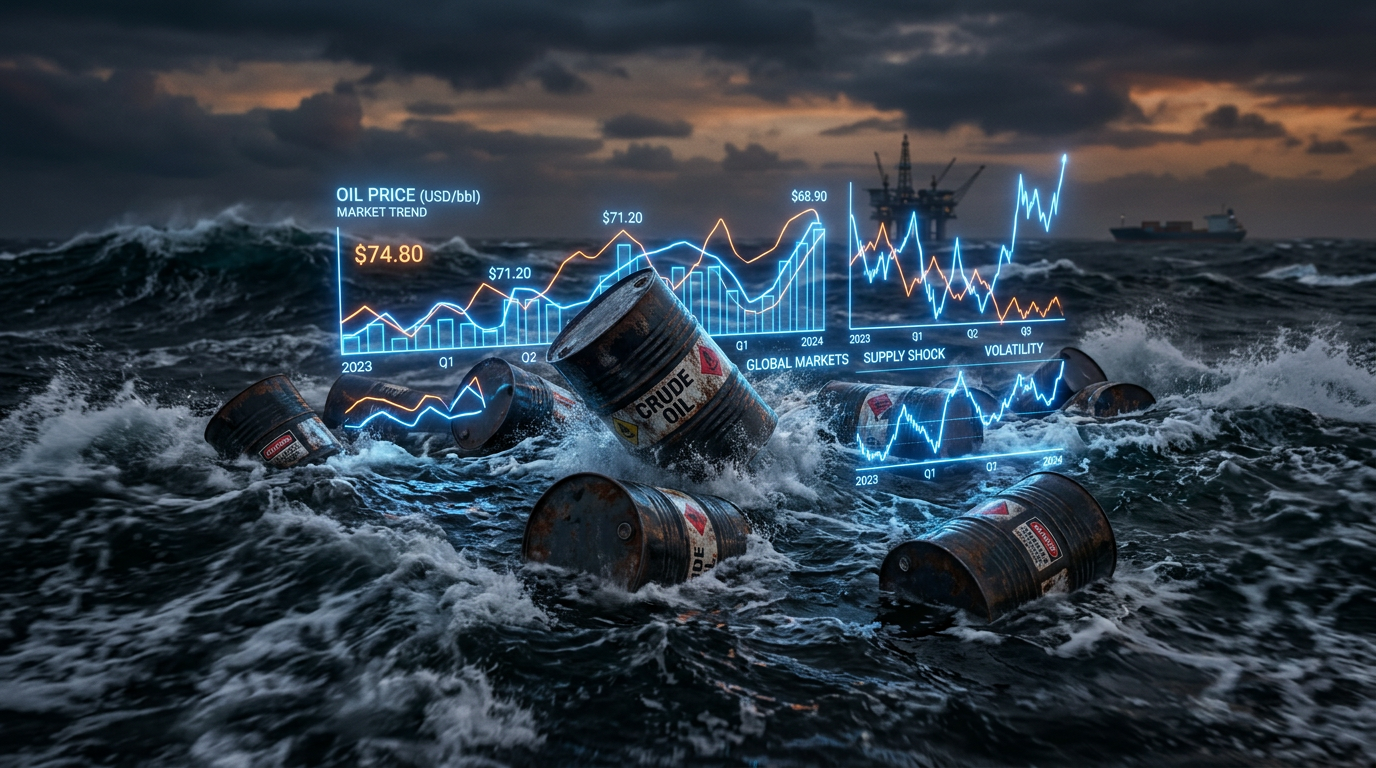
On the oil and shipping side, the stakes are global and immediate: roughly one fifth of the world’s seaborne oil normally moves through the Strait of Hormuz, and the closure and partial reopening under fire have produced what the International Energy Agency has described as the largest supply disruption in modern oil market history. Analysts estimate that flows through the strait have dropped sharply, with some research groups suggesting that nearly 20 million barrels per day that would normally pass the chokepoint have been disrupted or rerouted, and major traders warn that as much as 1 billion barrels in supply could be lost by the time the market fully recovers. Insurance premiums on tankers have risen, some shippers are avoiding the route or slowing transits, and import‑dependent economies such as those in East Asia have tapped stockpiles, imposed fuel price measures, or both to cushion consumers from sudden price spikes.wikipedia+2
Oil prices have been volatile rather than straight up: Brent has repeatedly pushed above 100 dollars per barrel on news of fresh clashes or tanker strikes, then eased back when markets sense that both sides are still talking and that other producers and strategic reserves can partially offset lost barrels. However, energy analysts warn that if the ceasefire is formally declared dead or if a major tanker or warship is sunk in the narrow channel, prices could move much higher and stay there, raising the risk of global inflation, delayed interest‑rate cuts, and a possible recession in economies that rely heavily on imported fuel. That is why even a single hit on a ship, or an exchange of fire over a few miles of water, is moving markets far from the Gulf and showing up in everything from airline fuel costs to gas prices in California.16thcouncil+4
Popi’s UnSpun News 9May26 — MARKETS
Markets are trading in a tight range as investors watch the Iran conflict for signs of either a formal breakdown of the ceasefire or progress toward a deal that could normalize flows through the Strait of Hormuz. Oil remains the main shock absorber, while broader equity indices are being pulled between higher energy costs and continued strength in technology and some consumer names.finance-commerce+2
| Instrument | Level / Price | Change / Context |
|---|---|---|
| S&P 500 | Check live | Check live |
| Dow Jones | Check live | Check live |
| Nasdaq | Check live | Check live |
| VIX (Fear Index) | Check live | Check live |
| 10‑Year Treasury Yield | Check live | — |
| Brent Crude Oil | >100 USD/barrel recent trade range | Volatile on Iran and Hormuz headlinesbloomberg+1 |
| U.S. Avg. Gas Price (AAA) | Check live | — |
| California Avg. Gas Price | Check live | — |
Oil market commentary today focuses on how long the world can lean on stockpiles and non‑Gulf producers if the strait remains only partially open and under fire. Some analysts warn that investors are underestimating the risk that Brent could make a run toward significantly higher levels if the conflict drags through the summer driving season and into the fall with no durable settlement.bloomberg+2
In equities, energy names and parts of the defense sector are seeing renewed interest, while sectors most sensitive to fuel costs, such as airlines and shipping, are facing pressure from higher input prices and uncertainty over routes. Bond markets are balancing higher inflation risk from energy with questions about growth, as central banks weigh whether they can still cut interest rates later this year or will have to wait until oil prices stabilize.wikipedia+2
For full, real‑time market data and charts, you can use your Perplexity Finance dashboard and live feeds.
Popi’s UnSpun News 9May26 — NATIONAL NEWS
Iran war and U.S. politics The Iran conflict continues to dominate foreign policy coverage, with the Trump administration under scrutiny for balancing ongoing “self‑defense” strikes with talk of a ceasefire and a possible settlement.
Tennessee redistricting fight Tennessee’s new congressional map, which splits Memphis into three districts, is facing legal and political challenges as voting‑rights groups argue it weakens Black representation in the state.
Federal land and hunting rules The administration is pushing to ease restrictions on hunting and trapping on some federal lands and wildlife areas, a move that supporters say expands access and critics say could harm protected species.
Cruise ship health investigation Health officials are continuing to investigate a suspected hantavirus outbreak on a cruise ship after multiple deaths, with additional passengers under monitoring and some quarantines still in place.
Popi’s UnSpun News 9May26 — BAY AREA & LOCAL
Gas prices on watch With global oil markets rattled by the Iran conflict, California and Bay Area gas prices are under pressure, and analysts warn that a prolonged disruption in Hormuz could push pump prices higher heading into summer.
Bay Area housing pulse Spring housing data show Bay Area listings edging up while prices remain high, reflecting a market where more owners are testing demand even as buyers face elevated mortgage rates and tight inventories.
Local schools and budgets School districts in Alameda County are working through budget plans for the next academic year, balancing state funding, enrollment changes, and continued efforts to support students who fell behind during the pandemic.
Transit ridership shifts Regional transit agencies across the Bay Area are revising ridership projections and funding needs as commuting patterns continue to evolve, with more hybrid work and ongoing discussions over safety and reliability on trains and buses.
Weather Livermore and the wider Bay Area can expect mild spring conditions today, with inland highs in the 70s to low 80s, cooler readings near the bay and coast, and generally dry skies.
CLOSING NOTE on Popi’s UnSpun News 9May26
My thoughts: The war feels far away until you remember that every tanker dodging missiles in a narrow strait is connected to the price on your corner gas sign. The trick is to track the risk without letting the noise drown out your real life with family, work, and whatever small joys you can still create. i
Somewhere in Livermore a kid is taking their first swing of the season in Little League this weekend instead of watching the news. That counts as good, doesn’t it? Also you can look for Popi’s Good News Report here: Popi’s Latest Posts
As always – be well, be alert, be informed. That’s your Morning Report for Saturday, May 9, 2026. — Popi sends…
Look for Popi’s UnSpun News in your mailbox
…or…
Slide over here for a photo show instead
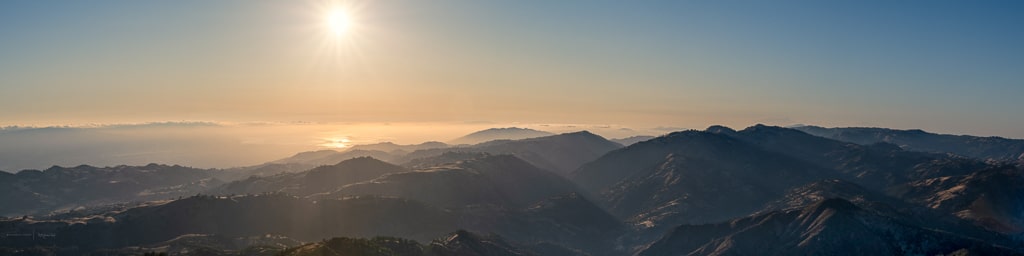
NOTE: all images AI generated.