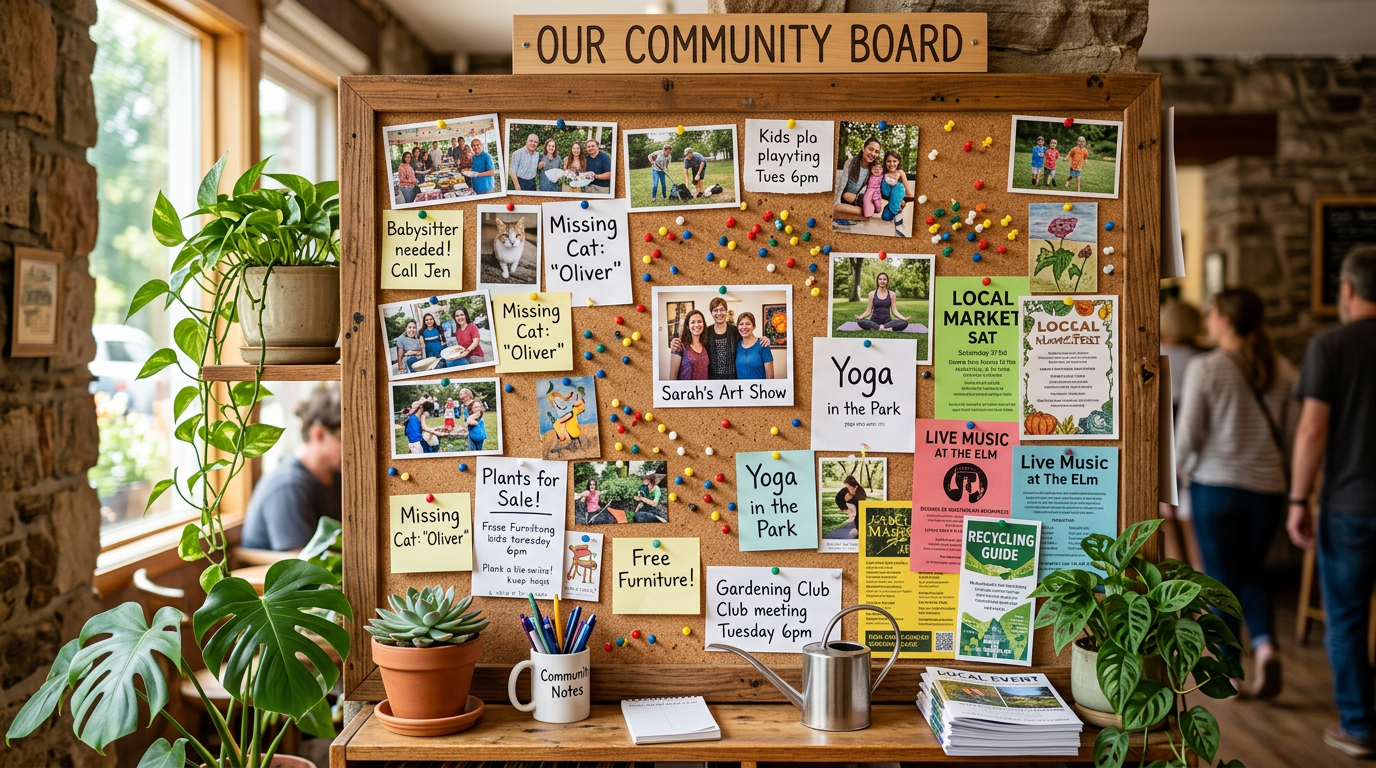
How to Engage Your Community with positive news challenges.
That was the premise. That was the plan to keep me engaged and being productive. It was to start when I was back in school after retirement. I had all sorts of plans back then. Only two have come to fruition. I can shoot and I’m stll alive.
One of those other plans was to engage the Photo-Journalism class I was in with a challenge. The challenge was to research and report on one good news event every week. That was the plan…
Then my head went south as it’s want to do, I dropped out – again, and that was that. Until now. I pulled that plan back up and modified it because one-a-day good news report wasn’t enough to take up many hours in an otherwise boring day and there would be no committees working the problem – just me for the heck of it. And so, the Daily Unspun and the Good News reports were born.
There was reason behind it and lots of trial and error to see how the flow would go. There had to be a central hub where everything would be submitted. Editors to review, trim and proof, assignments to be handed out, etc… Then there was the actual finished product; a weekly newsletter called Smile.
Understanding Positive News Challenges
In a media landscape that often leans heavily toward sensationalism and negative headlines, a Positive News Challenge serves as a deliberate, community-focused circuit breaker. It is an intentional initiative designed to shift focus toward solutions, acts of kindness, progress, and local triumphs.
What is a Positive News Challenge?
At its core, a positive news challenge is a structured, community-wide event, lasting anywhere from a week to a month where participants commit to seeking out, documenting, and sharing constructive stories.
Instead of passively consuming information, community members become active “good news reporters.” These challenges typically focus on a few key pillars:
- Constructive Journalism: Highlighting not just what went wrong, but how people and local organizations are actively solving problems.
- Everyday Heroes: Spotlighting the quiet efforts of neighbors, volunteers, and local groups whose contributions normally go unnoticed.
- Shared Digital Spaces: Utilizing a dedicated hashtag, local blog, or community forum where everyone can post their discoveries and photos.
Significance in Community Engagement
Shifting a community’s focus toward positive news does more than just lift spirits; it undamentally changes how people interact with their environment.
- Rebuilding Civic Optimism: Constant exposure to negative news can breed cynicism and a feeling of helplessness. A positive news challenge reminds residents that good things are happening right where they live, inspiring a renewed sense of pride.
- Sparking Inspiration and Action: Good news is inherently motivating. When people see a neighbor successfully organizing a neighborhood cleanup or a local food drive, it lowers the barrier to entry and encourages others to start their own grassroots efforts.
- Creating a Shared Narrative: It brings a diverse group of residents together under a common, uplifting goal, creating a unifying conversation across the town or city.
Examples of Successful Initiatives
Positive news challenges can take many shapes depending on the community’s size and goals. Here are a few formats that have seen great success:
- The “Good News Week” Photo Challenge: A localized photo-sharing event where residents are challenged to capture images of community beauty, local wildlife, or neighbors helping neighbors, publishing one curated photo a day with a small backstory.
- The Neighborhood Solution Spotlight: A challenge where local blogs or social groups invite residents to submit short write-ups of innovative ways a local business or group solved a community problem, focusing purely on progress and resilience.
- Schools and Youth Reporting Leagues: Partnering with local schools to run a mini-challenge where students interview community elders, local heroes, or charity organizers, sharing those inspiring stories on a central community platform.
Benefits of Community Engagement – positive news challenges
Engaging with your local community builds a strong foundation of mutual support, enhances well-being, and drives positive localized impact. When individuals and groups actively participate in community initiatives, the benefits span emotional, social, and economic areas.
1. Emotional and Social Well-Being
- Combats Isolation: Regular participation in community events or shared projects fosters a sense of belonging and helps reduce feelings of loneliness.
- Builds Stronger Relationships: Shared goals create deep, meaningful connections among neighbors who might otherwise never interact.
- Increases Empathy and Understanding: Working alongside a diverse group of people encourages perspective-sharing, breaking down social barriers and stereotypes.
2. Strengthening Community Ties
- Fosters Collective Identity: Collaborative activities, like community-driven positive news challenges help establish a shared civic pride and a cohesive local identity.
- Enhances Trust and Cooperation: When neighbors regularly collaborate, it builds mutual trust, making the community more resilient and collaborative during challenging times.
- Amplifies Grassroots Voices: Active engagement ensures that local initiatives reflect the actual needs, diverse perspectives, and values of the residents.
3. Positive Impact on Local Economy and Charities
- Boosts Local Businesses: Community initiatives often spotlight independent shops, artisans, and services, encouraging residents to buy and support local.
- Drives Support for Nonprofits: Direct engagement increases awareness for local causes, leading to higher volunteer turnout and financial support for nearby charities and food banks.
- Encourages Sustainable Development: Engaged citizens are more likely to advocate for, invest in, and maintain local parks, public spaces, and infrastructure.
How to Create a Positive News Challenge

Launching a positive news challenge is a powerful way to mobilize your community and shift the local narrative toward growth and resilience. While the concept is simple, a successful challenge requires thoughtful planning, clear communication, and an easy way for people to participate.
I even had a guide for participants to go by.
Step-by-Step Guide to Initiating the Challenge
Building a successful challenge comes down to setting clear boundaries and making participation seamless.
- Define the Scope and Timeline: Decide how long the challenge will run. A 7-day or 30-day challenge works best to maintain high energy without causing volunteer burnout.
- Establish Simple Guidelines: Keep the rules straightforward. Ask participants to find and share one local story or photo per day that highlights kindness, a solution to a problem, or a local achievement.
- Set Up a Central Hub: Give your community a dedicated destination to share their findings. This could be a specific page on a local blog, a public forum, or a unified digital gallery.
Tips for Promoting the Challenge – positive news challenges
To get people excited and involved, you need to meet them where they already are, both online and offline.
- Leverage Focused Social Media Campaigns: Use a singular, memorable hashtag (like
#GoodNewsLivermoreor#TriValleyUpliftor #LasPoSmiles) across platforms. Post daily prompts – such as “Mondays: Local Business Heroes” or “Wednesdays: Wildlife & Nature Beauty” – to give participants inspiration when they are looking for stories. - Partner with Local Connectors: Reach out to neighborhood groups, independent coffee shops, libraries, and community centers. Ask them to display a simple flyer or mention the challenge in their newsletters.
- Engage Local Schools and Clubs: Encourage youth groups or photography clubs to participate as a team project, allowing them to use their skills to document the bright spots in their town.
Measuring Engagement and Success
Success isn’t just about massive numbers; it’s about the depth of connection and the shift in community mindset. You can track your impact by looking at:
- Submission Volume and Diversity: Track the total number of stories, comments, or photos shared, and notice if they represent different neighborhoods or topics (e.g., charity work, nature, business resilience).
- Digital Traffic and Footprint: Monitor website pageviews, social media reach, and hashtag usage to see how far the positive narrative is traveling.
- Qualitative Feedback: Keep track of the comments and conversations. When residents say, “I had no idea this group was helping so many people,” or “This completely changed how I look at my morning walk,” you have achieved true engagement.
Real-Life Examples and Case Studies – positive news challenges
Seeing the tangible impact of a positive news challenge proves that shifting a community’s focus isn’t just an idealistic concept—it is a practical tool for civic growth. When communities deliberately seek out constructive narratives, they build a lasting blueprint for engagement.
Real-World Success Stories
While names and specific locations vary, successful positive news initiatives generally follow a few highly effective models:
- The Local “Constructive Journalism” Experiment: A regional digital publication grew weary of standard cynical headlines and launched a month-long initiative focusing strictly on community resilience. They committed to publishing one solutions-oriented story per day, ranging from grassroots food bank innovations to neighborhood-led park restorations.
- The Result: The site saw a massive spike in reader retention, an influx of positive letters to the editor, and a renewed wave of local volunteer sign-ups for the featured organizations.
- The Community Photo Showcase: A citywide civic group hosted a 7-day digital photo challenge, inviting residents to submit high-quality images of local natural beauty, backyard wildlife, and quiet acts of kindness.
- The Result: By creating a central, public gallery of curated shoots, the project didn’t just fill a page with beautiful imagery, it created an archive of local pride that businesses and schools continued to share long after the week ended.
What Makes These Challenges Effective?
Looking closely at these success stories reveals three common denominators that make a challenge truly resonate:
- High-Quality Curation: The most impactful challenges don’t just dump raw data into a feed; they present stories and imagery with care, making the final output something the community is proud to look at and share.
- Low Barrier to Entry: Successful initiatives make it incredibly simple for everyday citizens to participate, whether by using a simple local hashtag or uploading a single photo with a quick two-sentence backstory.
- A Focus on Solutions, Not Just Optimism: True engagement happens when a challenge highlights action. Showing how a local group solved a neighborhood problem inspires onlookers far more than generic good news.
Overcoming Common Challenges
Launching an initiative like this isn’t without its roadblocks. Here is how to navigate the most common hurdles:
| Challenge | The Root Cause | The Solution |
| Initial Participation Lag | People are used to being passive consumers of media and feel hesitant to post. | Seed the content. Have a small team of local organizers or partners publish the first few days of stories and photos to set the tone and show others how it’s done. |
| Maintaining Momentum | A 30-day challenge can suffer from “mid-month burnout” as the novelty wears off. | Use daily thematic prompts. Keep things fresh by introducing specific sub-themes, such as “Mid-Week Wildlife Spotlights” or “Friday Volunteer Features.” |
| Cynicism or Off-Topic Posts | Public digital spaces can occasionally attract negativity or unrelated complaints. | Keep a clear focus. Establish gentle but firm content guidelines from day one, emphasizing that the space is strictly reserved for constructive news, local progress, and community growth. |
You can find your own Good News anytime. Gemini is free. All you need is a Google email account and you have access. It runs best on Chrome but it will run on Bing or Edge. Fire it up and ask away. You’re in the driver’s seat. Check it out here: Gemini
I wish I could have handled the stress a little better while I was trying to earn that degree. Water under the bridge and all that. I had two big projects I wnated to drive while I was there. I might be better prepared to deal with it now, but I couldn’t fit it in between naps now. 😉