Transitioning from military service to civilian life is rarely a simple matter of swapping a uniform for business attire or trade tools. For millions of service members, stepping off active duty triggers a profound shift in identity, environment, and daily survival mechanisms. While mainstream conversations often focus on resume building and job placement, the true core of the transition lies in navigating the emotional, social, and psychological shift. Understanding the invisible hurdles of post-military life is essential for veterans, their families, and the communities welcoming them home. Knowing how far their career took them and what was involved is also essential to recovering back to civilian life. For some of us, we left a combat zone under fire on a Tuesday morning. Wednesday evening we were back home with our discharge papers and no directions. The veteran hasn’t much of a clue how to proceed. The civilian hasn’t much of a clue how to receive their loved ones back into the fold. That awkwardness just feeds the fire. Let’s explore!
All things being equal, this would be the normal homecoming – a cheering community welcomes a returning service member with flags, signs, and heartfelt gratitude.
Transitioning
The Loss of Camaraderie and Shared Mission
The most disorienting aspect of leaving the military is often the sudden loss of unit cohesion. In active service, trust is not merely encouraged; it is absolute, forged through shared hardship and continuous reliance on one another. Everyday military life relies on a clear hierarchy, explicit expectations, and an unmistakable sense of collective purpose.
When service members enter the civilian workforce, the contrast can be jarring. Civilian work cultures frequently emphasize individual performance and competition over collective survival. Without the daily presence of teammates who understand the unique demands of service, many veterans experience a silent form of isolation. They are no longer part of a tightly coupled team moving toward a shared goal, which can leave a persistent void that career advancement alone cannot fill.
Rebuilding Community Through Veteran Organizations – Transitioning
Overcoming this sense of isolation requires deliberate effort to cultivate new networks of support. Traditional Veteran Service Organizations (VSOs) continue to play a critical role in offering physical and social sanctuaries for those who have served.
Peer-to-Peer Networks: Organizations such as the VFW, AMVETS, and the American Legion provide immediate spaces where shared history needs no explanation. They serve as grounded hubs for shared stories, mutual support, and community engagement.
Grassroots Awareness Initiatives: Local events, including suicide prevention walks like the 2.2 for 22 program* at community colleges, offer active outlets for advocacy. These initiatives allow veterans to direct their energy into helping peers while educating the broader public about the reality of post-military mental health.
Civic Engagement: Translating leadership skills into local community projects gives former service members a practical way to continue serving, restoring the missing sense of civic duty and mission.
The Reality of Healthcare Infrastructure and Local Access – Transitioning
A successful transition also depends heavily on reliable, local support systems. Healthcare access remains one of the foundational pillars of veteran stability. When local resources, such as regional VA outpatient clinics, face consolidation or closure, the impact on aging and transitioning veterans is immediate.
Forcing veterans to undertake lengthy, grueling commutes for basic medical consultations or mental health services adds unnecessary stress to an already complex transition. Accessible care within the local community ensures that physical injuries and invisible wounds are addressed promptly, allowing veterans to focus their energy on building their post-military lives rather than fighting administrative barriers.
I’ve taken part in the 2.2 for the 22 program at Las Positas College. I’ve never participated in a more rewarding event. By that, I mean that I felt good afterwards. I felt like I’d done something after so many years of watching it happen from the sidelines – afraid to get too close out of fear of causing these fragile folk more troubles with my own insanity peeking through. This program helped cancel that stinkin’ thinkin’ which was a roadblock to my own recovery. What I found was that the more I interact with these heroes, the more at home I feel and am not so hesitant to reach out. And, it’s a two-way street if done right. This is good for me and hopefully for the community in general including those veterans we are reaching out to.
Seriously, we could literally point to me and say,
“Hey, look! If this guy made it…”
It’s not a joking matter, but if you need a poster boy example of a long struggle that ended up well – here I am (and I come cheap – a cheeseburger will do). I still live. I have a loving family and comrades a-plenty at VFW Post#7265, several other SVOs, and also at the Veterans First Program at Las Positas College, too. And I am ever so ready to pay it forward. If we save just one. Then another, and another…
The journey out of the military is not about forgetting the past, but rather integrating those experiences into a new chapter. No veteran should have to navigate the long road back to civilian life in isolation. By engaging with local service groups, participating in community awareness programs, and demanding accessible healthcare infrastructure, former service members can build strong, purpose-driven lives well beyond their years in uniform.
Once I finish a fiction I create, here or offline, I’ll compile the chapters into a single e-book. You’ll be able to download a free copy when It’s complete.
NOTE: All photos are Mine, taken from Public Domain, or AI Generated according to my prompts. I’ll usually let you know which is which. Sometimes I forget.
About Railph& Suraia:
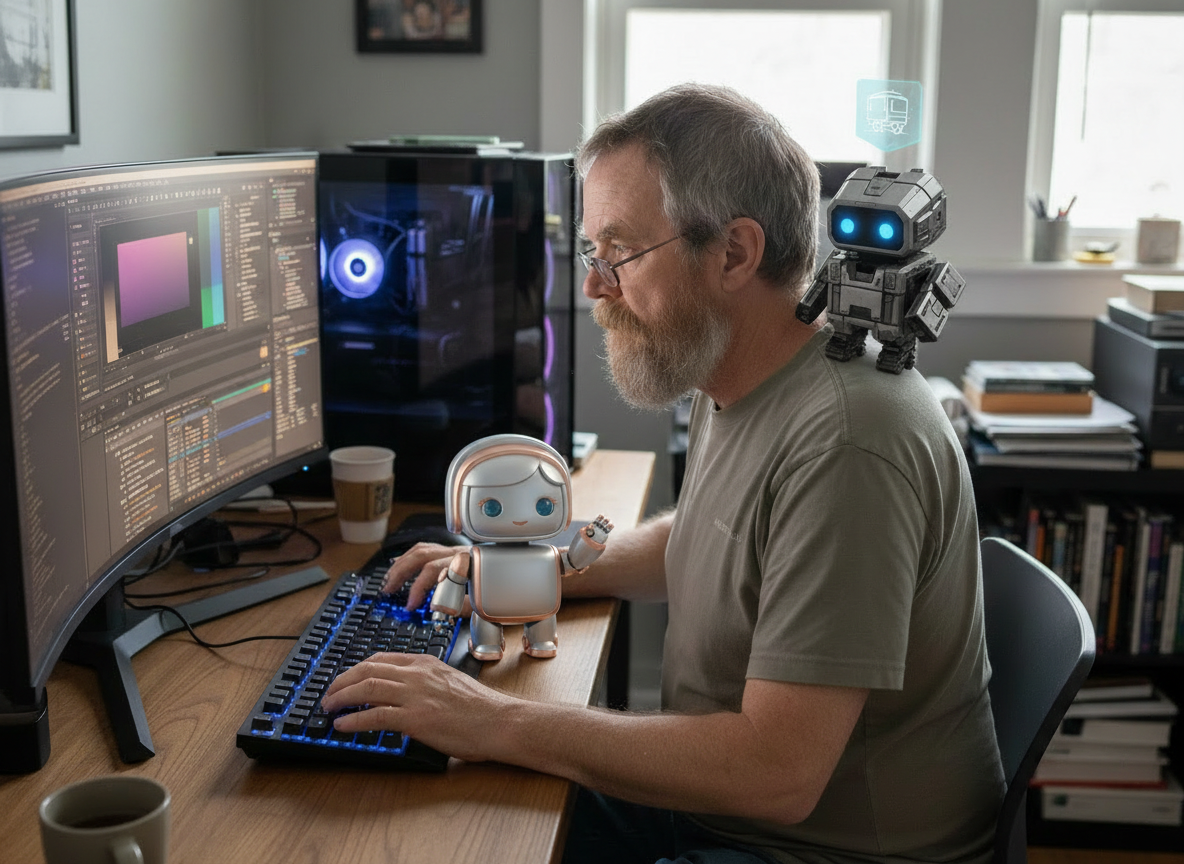
This post was created with the help of Railph, my AI writing partner. Railph doesn’t replace my voice or vision; he helps me shape it. From structuring exposés to crafting image prompts, Railph works quietly behind the curtain with minor research, helping turn fragments into form. Every word still passes through my hands. But the rhythm? That’s something we build together with Suraia’s help. 😊
This block was created with the help of Suraia, my AI research partner. You can see that she has much more delicate touch creating images. I may decide to let her create the images I need now. Suraia doesn’t replace my voice or vision either; she helps me define it. Researching is Suraia’s forte. She works quietly behind the curtain, researching so deep my head spins with the amount of data she returns, feeding me the factual fragments needed to build an authentic article. I set Suraia on course. In less time than it takes to crack my knuckles she’s outputting data for me to refine. Once this is done, CoPilot takes over with checking my formatting, spelling, grammar, structure, imaging, SEO considerations, and finally publishing.
Stay Connected
Get new stories and photos delivered to your inbox.