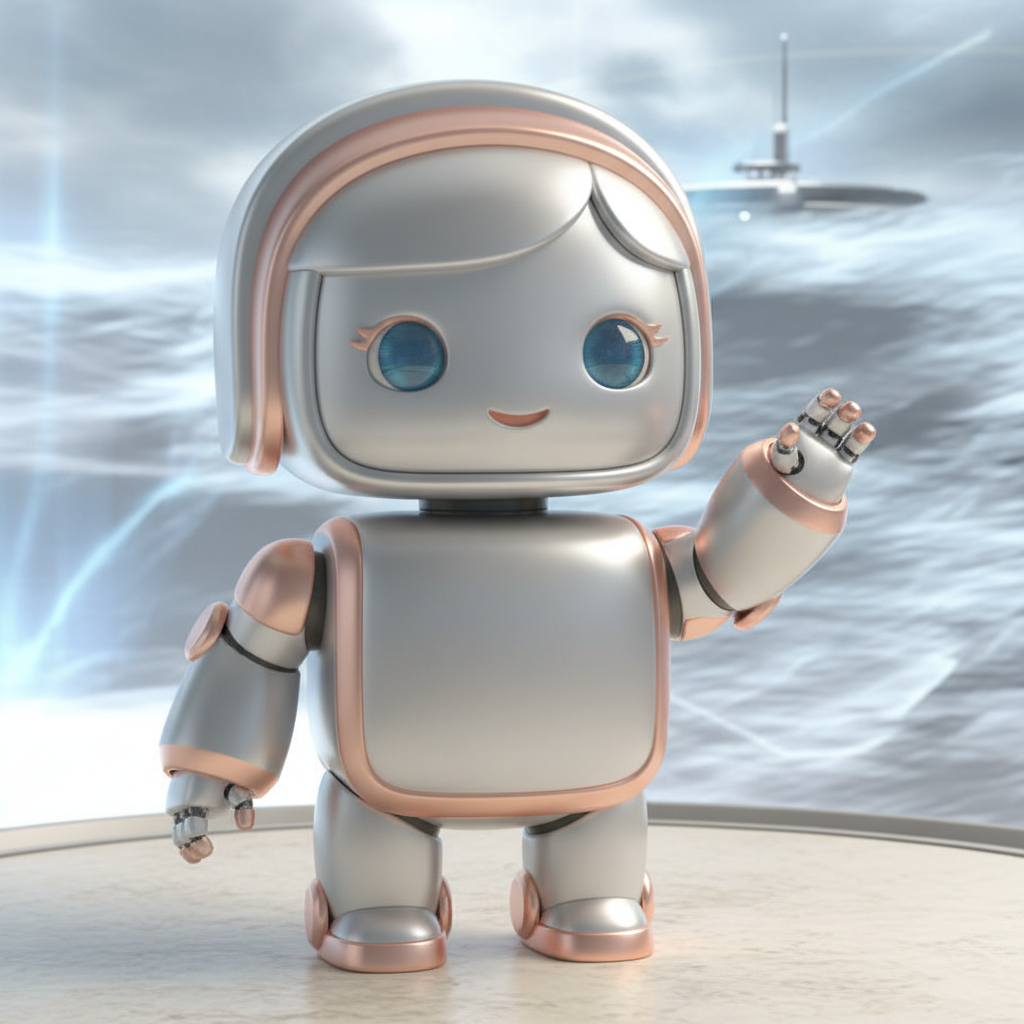
Back to those space faring pioneers settling new planets and driving the human ever race outward – let’s call them Spacers. What about those special operators who maintain the space based support systems that will be needed to allow a remote colony to thrive. How will those people fare with their extended time in weightlessness and away from humanity’s masses. We are more complete when we are together, aren’t’ we? So, what of these lone Guards of the Galaxy.
Spacers – Long-term Spaceflight Effects

If long-distance transports are automated by AI while passengers sleep away the centuries in cryosleep, the structural weight of maintaining interplanetary human society shifts entirely to the operational crews. For the workers tasked with short-haul trade, habitat maintenance, and orbital logistics, spending more time in space than planet side presents severe physical, psychological, and social challenges. The cumulative impact of Long-term Spaceflight Effects on these crews will fundamentally reshape their physiology, social structures, and culture over time.
Physical Degradation in Microgravity and High-Radiation Environments – Spacers
The physical strain of living primarily in space revolves around continuous exposure to microgravity and elevated cosmic radiation.
- Musculoskeletal and Cardiovascular Decay: Without the constant load of Earth’s gravity, human bodies experience significant muscle atrophy and bone demineralization, losing up to 1% to 2% of bone mass per month. Continuous fluid shifts toward the upper body alter blood pressure regulation and weaken cardiovascular conditioning, making prolonged ground visits physically painful and medically risky.
- Cellular Damage and Vision Alterations: Long-term exposure to galactic cosmic rays and solar particle events increases cancer risks and central nervous system damage. Additionally, Spaceflight-Associated Neuro-ocular Syndrome (SANS) – caused by fluid pressure shifts behind the eyes – causes persistent visual impairment that resists simple treatments.
Psychological Isolation and Enclosed Dynamics – Spacers
Working continuous shifts in metallic habitats or cargo vessels creates an “Isolated, Confined, and Extreme” (ICE) environment that takes a heavy toll on mental health.
- Circadian Rhythm Disruption and Cognitive Fatigue: Operating in artificial lighting without natural sunlight cycles continuously disrupts circadian rhythms. High ambient background noise from environmental control life support systems (ECLSS), paired with chronic sleep debt, leads to elevated cortisol, irritability, and cognitive slowdown over extended tours.
- Interpersonal Friction and Sensory Monotony: Confined with small, revolving crews for long stretches, minor interpersonal friction multiplies into deep social stress. The lack of natural sensory stimuli – weather, open horizons, unmanaged tactile variation – creates profound mental monotony, making emotional regulation an ongoing operational challenge.
| Physical & Psychological Domain | Short-Term Exposure | Long-term Spaceflight Effects |
| Skeletal & Muscle Systems | Mild soreness, space motion sickness | Progressive bone loss (osteopenia), persistent muscle wasting |
| Cardiovascular Health | Fluid shifts (“puffy face” syndrome) | Decreased heart volume, orthostatic intolerance on planets |
| Psychological State | Temporary stress, excitement | Chronic fatigue, ICE syndrome, elevated social stress |
| Social Connection | Transient miss of home | Cultural drift, detachment from planetary populations |
Cultural Drift and the Rise of a Spacefaring Working Class – Spacers
Beyond individual health, spending more time in orbit than on planet surfaces inevitably creates a distinct cultural divide between “grounders” and spaceborne workers.
- Physical Specialization and Planetary Alienation: Over years of continuous orbital duty, workers adapt so thoroughly to microgravity, harness systems, and artificial environments that returning to a 1-G gravity well becomes a major physical ordeal. A worker whose body has adapted to orbital operations may view planetary visits as an uncomfortable, high-gravity burden rather than a home.
- The Formation of Orbital Subcultures: Living in closed, high-risk environments fosters unique dialects, strict internal safety rituals, and intense peer reliance. As these trade routes expand, these workers will develop their own distinct identity, growing alienated from the terrestrial populations who sleep through the long journeys while relying entirely on orbital crews to keep the solar system running.
Now, how do we counter these negative effects on our spacers?
Protecting Spacers from the Biological Threats of Deep Orbit and Long-Term Spaceflight
Long-term spaceflight presents a harsh biological reality for Spacers operating in the high-radiation, zero-gravity vacuum of local trade routes and orbital logistics. While automated transports and cryo-chambers may insulate long-distance passengers from physical decay, the working class of orbiters must actively contend with cosmic radiation, severe bone density loss, and cardiovascular degradation. To ensure these vital crews survive the continuous rigors of space, advanced biological counter-efforts, engineered habitats, and specialized medical protocols will be essential to protect our Spacers.
| Threat Domain | Physiological Impact on Spacers | Required Counter-Effort |
| Cosmic Radiation | Cellular DNA damage, elevated cancer risks, CNS decay | Active magnetic shielding & sub-dermal radioprotectants |
| Microgravity Atrophy | Severe osteopenia and skeletal muscle wasting | Continuous centrifugal gravity & osteoclast inhibitors |
| Cardiovascular Shift | Decreased heart volume & Fluid pressure behind the eyes (SANS) | Lower-body negative pressure suits & fluid management |
Advanced Radiological Defenses and Physical Conditioning for Spacers
Surviving extended tours in microgravity requires moving past simple exercise regimens to integrated physical and pharmacological shielding.
- Active Electromagnetic Shielding: Traditional passive water and lead barriers are insufficient for long-haul cargo vessels. Craft crewed by Spacers will require localized electromagnetic force fields to deflect galactic cosmic rays and solar particle events before radiation hits hull plating.
- Centrifugal Artificial Gravity: To halt the progressive loss of 1% to 2% of bone mass per month, ships and orbital trade stations must integrate continuous rotation. Short-radius centrifuges used during rest cycles force fluid down to the lower extremities, preventing Spaceflight-Associated Neuro-ocular Syndrome (SANS) and cardiac atrophy.
- Gene-Targeted Bone and Tissue Therapies: Medical regimens for Spacers will rely heavily on advanced pharmaceuticals and gene therapies that inhibit osteoclasts (the cells that break down bone) while artificially stimulating muscle protein synthesis, neutralizing microgravity decay at the cellular level.
Protecting the Biological and Cultural Future of Orbital Workers – Spacers
Implementing these advanced protective measures is not merely a matter of health; it is essential to prevent a permanent physical split between planetary populations and working Spacers. Without aggressive bio-engineering and habitat rotation, the physical toll of orbital trade will render these crews permanently unable to step foot back on a planet’s surface. By prioritizing active radiation defenses, artificial gravity, and targeted cellular therapies, society can safeguard the men and women keeping interplanetary trade alive.
Spacers
Ultimately, understanding the full impact of the Long-term Spaceflight Effects on regular Spacers requires looking beyond technical logistics to the human cost of living in space. While automated ships and cryochambers protect long-distance travelers, the everyday trade crews keeping the habitats connected will become a new class of humans -physically altered by microgravity, hardened by isolation, and fundamentally detached from the planetary worlds below.
Popi sends…
Other Random Thoughts: Frictionless Living