
A rim ride in Yosemite’s high country from the back of a horse.
FYI: The images within are AI generated and as close to geographically correct as I could manage on short notice, but they are not terribly accurate.
I’ve been out to Yosemite enough to want more – lots more. One thing I had planned at one time was a long, overnight horseback trek across the upper rim of the granite walls that envelope the valley. Several roadblocks prevented that. Primarily, I couldn’t find a company that did that sort of thing. Also, based on what it would cost for a simple trail ride down in the valley, I’d have to open a second mortgage to do the camping trip. So, it’s probably not ever gonna happen.
I have no trouble, however, imagining what it would be like…

High Country
Yosemite High Country Rim Ride
The high air above the north rim is crisp, sharp, and carries the clean, resinous tang of lodgepole pine mixed with the unmistakable metallic bite of coming winter. A Yosemite High Country Rim Ride offers an unmatched perspective on the sheer scale of the wilderness, far above the valley floor where mountain winds carve through ancient stone. Beneath you, your horse, a strong-boned golden palomino with a thick coat already filling out for the cold, moves with the rhythmic, measured gait of a mount that knows high-country granite. Her long, almost white mane whips lightly across her neck in the wind, catching a dusting of fine white flakes as a steady breeze pushes a quiet curtain of light snow across the high timber.
You sit deep in a high-backed, heavy-leather Wade saddle, dark and polished with years of oil and hard miles. Across the cantle, a canvas bedroll and heavy woolen slicker are tightly cinched in leather ties. Standard brass saddle rings hold leather saddlebags packed for the trail, and a lined scabbard sits snug against the stirrup leather. You are dressed for the altitude and the elements: sturdy denim under high-grade leather chaps, double-vamped boots firm in heavy tapaderos that shield your stirrups from mountain brush, a thick wool vest over a heavy flannel shirt, a silk wildrag tucked tight at your throat, and a wide-brimmed felt hat pulled low against the gentle flurry. A pair of lined leather gloves holds the reins with the relaxed ease of a lifetime in the saddle.
The trail winds along the upper ledge on the Yosemite Falls side of the canyon, threading through stands of red fir and Jeffrey pine where needle-strewn soil meets bare, polished granite. Off your right shoulder, the earth drops away into thousands of feet of open sky.
The Rim above El Capitan and the Legend of Tis-sa-ack – High Country
As you clear the tree line near the high shoulders above El Capitan, the sheer scale of the valley hits with breath-taking force. El Capitan’s massive, monolithic face plunges straight down into the floor, a sheer wall of stone so immense that looking over the rim toward its crest strains the neck, leaving you dizzy with the raw, vertical expanse of creation. Down on the valley floor, the Merced River winds like a ribbon of dark glass through forests of yellow pine and oak, reflecting the soft grey sky and the light dustings of white along its banks.
Looking across the vast gulf of the canyon toward the south rim near the valley entrance, your eyes rest upon the shimmering, delicate veil of Bridalveil Fall. The gentle breeze catches the falling water, swaying it in white billows like gauzy silk against the dark granite cliff.
It is here, overlooking the vast expanse where El Capitan guards the portal and Bridalveil weaves its mist, that the memory of the valley’s ancient lore whispers through the pine needles. Long before boots marked these high trails, the valley was watched over by Tu-tok-a-nula, the great guardian chief of the Ahwahneechee. He was a noble leader who cared deeply for his people, ensuring the streams ran clear, the deer were plentiful, and the crops of acorns grew thick in the oak groves. Under his watch, the valley flourished in unbroken peace.
Then, one morning, down from the high country came Tis-sa-ack, a celestial maiden of radiant beauty. Her skin was as pale as snowy granite, her hair golden as afternoon sunlight, and her presence brought a gentle warmth that turned the meadow grass green. When Tu-tok-a-nula beheld her from the top of his great rock, the pillar we now call El Capitan, his heart was captured instantly. He became so consumed by his devotion to Tis-sa-ack that he forgot his duties to his people. He spent his days watching for her, wandering the high meadows, shouting her name into the cavernous winds.

Neglected, the valley began to wither. The rains ceased, the Merced shrank to a trickle, the oak trees dropped their brown leaves early, and the green grass faded to dust. Seeing the suffering of the earth and the people she had come to love, Tis-sa-ack was heartbroken. Kneeling upon the great dome at the head of the valley, she wept bitterly for the thirsty land and prayed to the Great Spirit to restore life to Ahwahnee.
The Great Spirit heard her cry. In a flash of blinding light and a crack of thunder that shook the granite foundations of the earth, the high sky parted. A mighty bolt struck the rock where Tis-sa-ack knelt, splitting the giant dome in two. A torrent of fresh water burst forth from the high peaks, cascading down into the valley, reviving the dried streams, filling the Merced, and bringing green life back to every meadow and oak grove.
When the cloud of mist cleared, Tis-sa-ack was gone, returned to the sky from whence she came. But where she had wept and prayed, the delicate plume of water near the valley entrance – Bridalveil – remained as a perpetual gentle reminder of her mercy and grace.
Tu-tok-a-nula returned from his frantic search to find his valley blooming, but his beloved gone forever. Unable to live in the valley without her, he carved his own likeness into the face of his great stone fortress, El Capitan, so that he might watch over the entrance of Ahwahnee for all eternity, before leaping into the sky to search for her across the stars.
As you turn away to continue on, there is a shimmer in the veil of mist across the valley. You glance quickly to see a fading form – almost femininely graceful – sliding past the shadows under the falls…and then gone.
Past the Three Brothers to the Brink of Yosemite Falls – High Country
Reining your golden palomino away from the edge above El Capitan, you push deeper east along the high ridge trail. The snowfall thickens slightly, dusting the palomino’s white mane and coating the brims of your felt hat. Her iron shoes make a steady, rhythmic clink-clink against the granite shelf. The wind through the high pines sings a solitary, timeless tune – a song of absolute freedom, where no walls can bind a man, no clocks govern his hours. The open skyline stretches beyond the edge of memory.

Continuing eastward, the high trail opens to give a commanding view across the canyon. Rising sharply on the north side of the valley, standing as silent Sentinels above the sheer precipices, are The Three Brothers, the striking rock formation of three stacked granite peaks leaning into the sky, consisting of Lower Brother, Middle Brother, and Eagle Peak reaching highest into the winter clouds.
Unlike the celestial myth of Tis-sa-ack, the story of these three stone wedges is carved into the sharp, poignant realities of history.
Native Ahwahneechee tradition originally called these peaks Kom-po-pai-ses, named for their resemblance to three frogs sitting on their haunches, stacked one above the other, ready to leap into the waters of the valley floor. But the name they carry today was born during the Mariposa Indian War in the spring of 1851, when the white Battalion entered the valley to relocate the indigenous inhabitants.
During the military advance into the valley, the battalion cornered and captured three young native warriors near the base of these very peaks. These young men were the sons of Chief Tenaya, the venerable leader of the Ahwahneechee. Despite being taken captive in their own ancestral home, the three brothers conducted themselves with profound dignity, quiet strength, and unyielding loyalty to their father and their land.
The eldest son was later released to bring his father to terms, but tragedy struck when the younger brother, Eleani, was mistakenly killed during an escape attempt – a loss that broke Chief Tenaya’s heart and sealed the bitter exile of his people from their sacred sanctuary. In silent honor of the three brave sons who stood tall against the overwhelming tide of change, the Battalion named the three leaning granite heights The Three Brothers.
Reference: Key Details & Historical Identification
Significance: On March 27, 1851, a detachment of the Mariposa Battalion under Major Savage became the first recorded group of non-indigenous white Americans to enter Yosemite Valley via the old Inspiration Point trail, tasked with forcibly removing Chief Tenaya and the Ahwahneechee people to the Fresno River Reservation.
Official Unit Name: The Mariposa Battalion (formally mustered into state service on January 24, 1851).
Commanding Officer: Major James D. Savage, a trader and miner who spoke several native dialects and led the expedition into the valley.
Structure: The battalion consisted of approximately 200 armed volunteer miners and settlers divided into three mounted companies:
Company A: Led by Captain John J. Boling (whose men were directly involved in the capture of Chief Tenaya’s three sons near the base of the rock formation later named The Three Brothers).
Company B: Led by Captain John S. Bowling / William Dill.
Company C: Led by Captain Robert S. Boling.
As you pause your horse on the trail above Eagle Peak, looking down at the jagged rock faces dusted in fresh white powder, the history weighs heavy and grand. The granite remembers every footstep, every song, and every wail of grief that ever echoed off these walls.
The Roar of Yosemite Falls and the Horizon Beyond – High Country
Your palomino moves forward, her steady breath pluming white in the crisp mountain air. Ahead, the low, steady vibration in the rock grows into a deep, thunderous roar that shakes the timber. You emerge from the high red fir canopy onto the sheer stone lip of Upper Yosemite Falls.
Here, the waters of Yosemite Creek gather from the snowy high basins and hurl themselves over the lip of the north wall, plunging nearly two thousand feet into the abyss below. The wind catches the falling torrent, creating swirling clouds of spray that freeze as they hit the canyon walls, forming delicate ice castles along the vertical rock face.
You pull your golden mount to a halt at the granite edge, letting her catch her breath as you rest a hand on the saddle horn. From this high perch on the rim, you look out across the vast, snow-dusted kingdom of rock and sky.
To the east, standing colossal and uncompromising against the grey winter sky, is Half Dome, the half-monolith born from Tis-sa-ack’s sorrow. Its sheer-cut face drops straight into the valley floor, capped in glistening ice. Further east still, far up the Tenaya and Merced river canyons, the distant silver ribbons of Nevada Fall and Vernal Fall shimmer through the swirling snow flurries.

You lean forward, gently patting the warm, muscled neck of your palomino. Her white mane is damp with flakes, her ears pricked forward toward the distant east. You trace the line of the upper canyon with your eyes, past the great dome, past the misty gorges where Nevada and Vernal drop through the mountain wilderness.
Out here, high above the world with a faithful horse, the rig of a cowboy, and the open sky, there are no burdens, no past, and no limits. The ache in your neck from staring at these impossibly high stone walls is a small price for the wild, infinite freedom that fills your chest.
Taking a Yosemite High Country Rim Ride reminds a rider that true freedom isn’t found in a quiet room, but out where the granite meets the clouds and the trail never truly ends. You turn your horse’s head slightly toward the eastern trail, giving the distant falls a quiet nod. That far country, draped in white and waiting under the mountain wind, is tomorrow’s ride.
Did you enjoy that reading? I do love going “away”, following my mind’s eye wherever it goes. At times, when I have a solid database on a subject, I can create on the spur of the moment. Tomorrow I’ll continue our ride in the clouds where the trail runs over Glacier Point, opposite Vernal and Nevada Falls.
FYI: These locations are near but not the same locales as the setting for Doh-Rey-Me. That Fiction is set further North in the Tuolumne Meadows area. High Country, like Doh-Rey-Me, is the kind of writing that is wholly rewarding and relaxing. I only wish the juices flowed more freely – all the time. 🫣
High Country
Popi sends…
Other Random Thoughts: Lyndon H LaRouche Jr

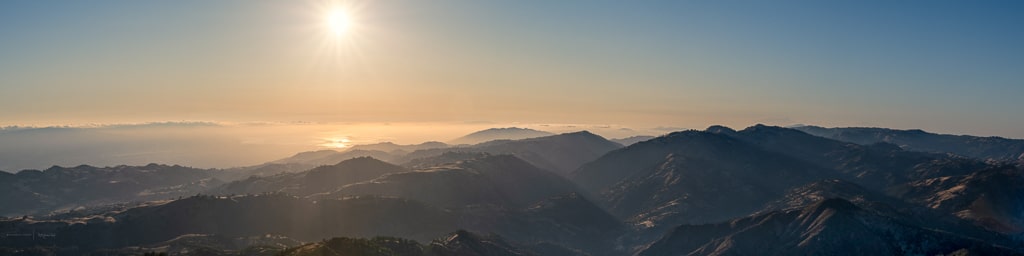


Can you see it?