

Photos 15May26 – Popi’s thoughts: This locale is usually chock full of subject matter, and I doubt it was never meant to be, once the next-door gravel pit became functional. Instead, all the small critter life from the pit excavations moved east into Tesla-Discovery Park; made for a rich feeding ground for raptors and snakes. In the spring there’s usually enough run off from the surrounding area to fill the bottom of the trench with enough water to satisfy some ducks for a few weeks.

This shoot contains three of my favorite things to shoot. That grand old Oak tree, that gorgeous male Kestrel – the most colorful in the falcon family, and that street lamp. The lamp carries me back some few years to the old lamps on the Commons back home where I spent some homeless moments . Being able to remember those days without remorse (I survived it) is a definite miracle. I hated everything about life then.
Popi’s Photos 15May26 presents:
Tesla January 20, 2019


Photos 15May26 –A little local history:
While “Tesla-Discovery Park” isn’t an official name on a map, the stretch of land between Isabel Avenue and the Gravel Pits in south Livermore, is a unique transition zone where the city’s suburban edge meets its deep industrial and natural history.
Based on local records and the geography of the Arroyo del Valle corridor, here is the history of that specific landscape according to Google Gemini – which I’m finding to be a very accurate and capable AI assistant.
The “Gravel Pit” Legacy
The pits to the west of Isabel Avenue are part of one of the most productive aggregate mining regions in the world.
- The Ancient Riverbed: The reason this area is so rich in subject matter (and gravel) is the Arroyo del Valle. Over millennia, the arroyo deposited deep layers of smooth river rock across the valley floor.
- Kaiser Sand & Gravel: Historically, companies like Kaiser Sand & Gravel (now Lehigh Hanson or Vulcan Materials) transformed this section of Livermore. By the early 20th century, the industrial mining of these deposits provided the “skeletons” for the Bay Area’s highways and skyscrapers.
- Wildlife Migration: As you noted in your blog, these excavations created a massive, artificial canyon system. When active mining moves or areas are reclaimed, the disturbed earth often becomes a haven for raptors and ground-dwellers who thrive in the open, rocky terrain.
The Isabel Avenue / Route 84 Connection
Isabel Avenue itself is a relatively modern “border” for this wilder land.
- Agricultural Buffer: Before the suburban expansion of the late 20th century, this area was primarily used for cattle grazing and dry-land farming.
- Conservation Transition: This specific patch of land sits near the Chain of Lakes—a massive reclamation project designed to turn the old gravel pits into a series of managed lakes for water storage and wildlife habitat.
The “Tesla” Name Influence
The “Tesla” in your name for the park likely stems from Tesla Road, which serves as the gateway to the historic Tesla coal mines and the ghost town of Harrisville located further east. (NOTE: This park borders a Tesla Warehouse – I tend to think that’s where the colloquial naming – Tesla-Discovery Park – came from
- Harrisville (The Welsh Camp): In the 1870s, a mining camp of 300 people stood just west of the main Tesla site. When those mines failed, many workers moved into Livermore proper, which is why the “Tesla” name remains so synonymous with the south-side hills and the roads leading toward the pits.
Indigenous Footprints
Long before the gravel was worth money, the Ssaoam and Pelnen tribelets of the Muwekma Ohlone lived along this section of the arroyo. They utilized the same seasonal water runoff you observed, which you mentioned satisfies the ducks, for thousands of years as a reliable source of food and travel.
Local Insight: The “grand old Oak tree” and the street lamp you mentioned on your site are perfect symbols of this area’s duality, one representing the ancient, pre-industrial valley, and the other marking the point where the city’s light ends and the “Discovery” of the wilder, excavated landscape begins.
Excellent Metaphor, Gemini!
Popi luvs ya!

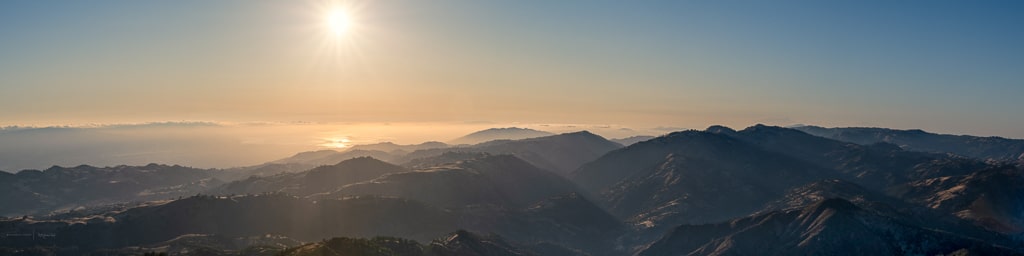


Can you see it?