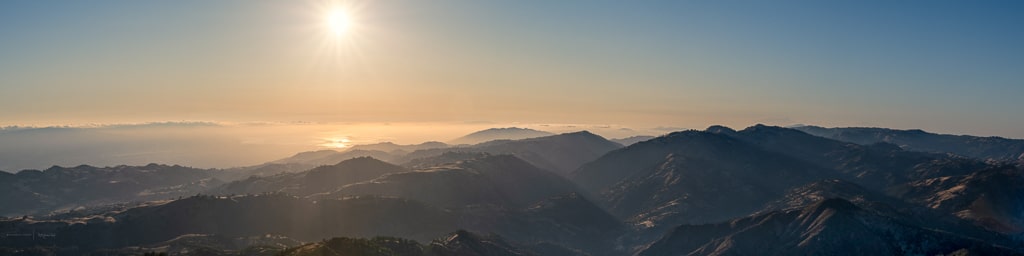
Photos 14Dec20: Shooting at DelValle at the beginning of our winter yields about as desolate a shoot as photos can get here. Everything is at the peak of dryness. The rains are still a month or so off. The lake has been drained to prep for the new year’s runoff. The riparian forest all around the lake is in the midst of a very dull autumn-like foliage. It’s YUCK!
There is always a trade off though. A Flock of Pelicans arrives about then every year and stay until the water starts rising again in spring. If it’s not for the shallow water fishing, I don’t know why they come. They are not bringing up their babies here. Anyway, it’s pleasant, pre-eagle subject matter. I’ve gotten a ton of sparkle pictures of the Pelicans when the sun is low. Occasionally we get gulls and terns zooming over the water.
Photos 14Dec20
Del Valle December 14, 2020


Photos 14Dec20: I was curious, and remembered I have the perfect assistant for digging up this kind of information. I asked Gemini about the pelicans:
Even if it looks dry and “yuck” to us, that drawn-down, shallow water is a five-star buffet for migrating American White Pelicans.
Here is exactly why they pull over and stick around for a month or two on their journey:
1. Concentrated, Easy-Pickings Seafood
When a lake or reservoir is intentionally drained or low before the winter rains, the water volume shrinks drastically. This forces all the resident fish—like carp, minnows, and sunfish—into much smaller, shallower pools.
- The Pelican Advantage: Unlike brown pelicans, white pelicans don’t dive-bomb from the air. They fish from the surface, scooping up prey with their massive pouches. Shallow, concentrated water means they barely have to work to find a meal.
2. Group Hunting Tactics
White pelicans are highly cooperative hunters. They will form a horseshoe line in shallow water, beating their wings to drive fish toward the shoreline or into a tight, panicked ball. Once the fish are trapped in the shallows, the pelicans just dip their bills and feast. A drained lake provides the perfect topography for this team strategy.
3. Energy Conservation (The “Rest Stop” Strategy)
Migration takes a massive toll on a bird that can weigh up to 15–20 pounds with a 9-foot wingspan.
- Low Effort, High Reward: Flying requires immense energy. If they find a spot where the water is low, the fish are trapped, and the weather is mild, it makes perfect aerodynamic sense to stay put, rest their flight muscles, and top off their fat reserves before moving further south or waiting out the coldest stretch.
4. No Need for Deep Water
Because they don’t dive, deep water actually makes fishing harder for them because fish can easily swim below their reach. They have absolutely no use for a full, deep lake. They will happily ride out a desolate-looking low tide because, to them, shallow mudflats equal an effortless diner.
Once the winter rains finally hit, the water levels rise, the fish disperse into the deep, and the pelicans lose their competitive edge, which is right about when they pack up and head to their next stop!
Popi luvs ya!
Look for 👉Popi’s Photo Releases👈 in your mailbox with a free subscription.
…or…
Slide over 👉here👈 for a photo show instead