
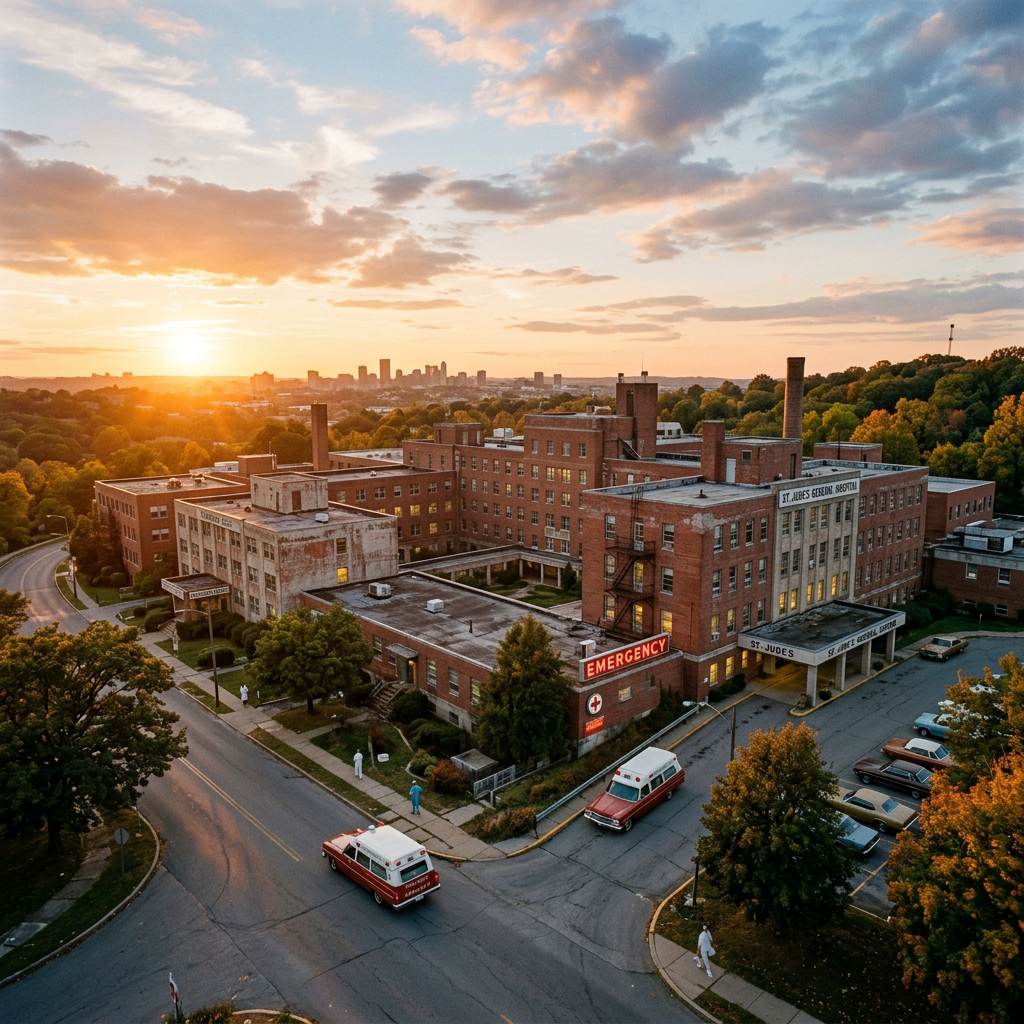
I’m off to the Livermore VA for a blood draw. If I have any to give, I won’t need to return tomorrow. 😋
Trying to stay in front of all the health issues, they take blood regularly. This is routine and I only have to travel about ten minutes to the local VA.
They’re going to close this facility and I’ll have to travel at least an hour for everything. 😮💨 I’m grateful for what we’ve been blessed with anyway.
3 or 4 months from now, I’ll have a new set of sparkly white toofers to show off. Get your sunglasses ready folks. I’m going to “flash” everyone. 😁
This post is to inform you that my reports will be late today, if they happen at all.

Livermore VA
The VA facility in Livermore, officially known as the Livermore Division of the VA Palo Alto Health Care System (VAPAHCS), has a long history of serving local veterans, but it is currently undergoing the final chapters of a massive structural realignment.
1. Founding and History
The 113-acre Livermore VA campus, situated on the south side of town off Arroyo Road, was established to provide extended convalescent, rehabilitation, and long-term care for veterans.
- 1995 Integration: A pivotal moment in its modern history occurred in 1995 when the previously independent Livermore VA Medical Center merged with the Palo Alto and Menlo Park facilities to establish the unified VA Palo Alto Health Care System. This integration was designed to streamline specialized treatments and share administrative resources across Northern California.
- Core Services: For decades, the sprawling Livermore campus specialized in outpatient primary care, mental health services, and a dedicated Community Living Center (CLC) for nursing home and extended care patients. Because of its open, campus-like environment, it provided a scenic and quiet space for recovery.
2. The Livermore VA Realignment Project
As the decades passed, the aging infrastructure of the 113-acre Livermore campus became increasingly difficult and costly to maintain. Furthermore, demographic data showed that the veteran population in the region was shifting, with immense growth in the Central Valley (such as San Joaquin County) and parts of the East Bay.
To address this, the VA launched the $505 million Livermore Realignment Project, a massive master-planned initiative to move services closer to where veterans actually live. Instead of maintaining the old Livermore campus, the project distributes its services into new, state-of-the-art regional facilities:
- The Central Valley Campus (French Camp/Stockton): The largest portion of the realignment involved building a massive hub on 52 acres next to the San Joaquin General Hospital. This includes the Richard A. Pittman VA Clinic (a 158,000-square-foot multi-specialty outpatient clinic named after the Stockton native and Vietnam War Marine Corps Medal of Honor recipient) alongside a brand-new 120-bed Community Living Center to replace Livermore’s long-term care beds.
- The East Bay Clinic (Fremont): A new 35,000-square-foot Community Based Outpatient Clinic (CBOC) was established on Auto Mall Parkway in Fremont to absorb East Bay primary and outpatient care, strategically located within walking distance of the Warm Springs BART station.
- Palo Alto Upgrades: Minimally invasive surgical and specialty procedures previously split between Livermore and Palo Alto have been consolidated into a renovated, high-tech procedure center at the main Palo Alto Division tower.
3. Future Plans for the Livermore Site
Because the regional outpatient clinics and the French Camp Community Living Center have been coming online to absorb the patient load, the long-term plan for the Livermore campus is decommissioning and disposition.
- Decommissioning & Remediation: The VA’s approved scope includes comprehensive environmental remediation and abatement of the old 113-acre property.
- Property Disposition: Once the site is fully cleared and safe, the federal government plans to hand off or sell the property. While specific final land-use plans for the entire acreage are still subject to local zoning and federal property disposal processes, discussions over the years have leaned toward preserving the surrounding open space or transferring portions for local community benefit, given Livermore’s strong regional emphasis on parks, open space preservation, and tight agricultural growth boundaries.
I would not be opposed to another open air park in town. I would be opposed to commercializing the property in any way.
Praying for sanity…




Can you see it?